Waterfront Access Built for Daily Use
Boardwalk Construction in Houston for Properties Requiring Stable Access Across Uneven Shorelines
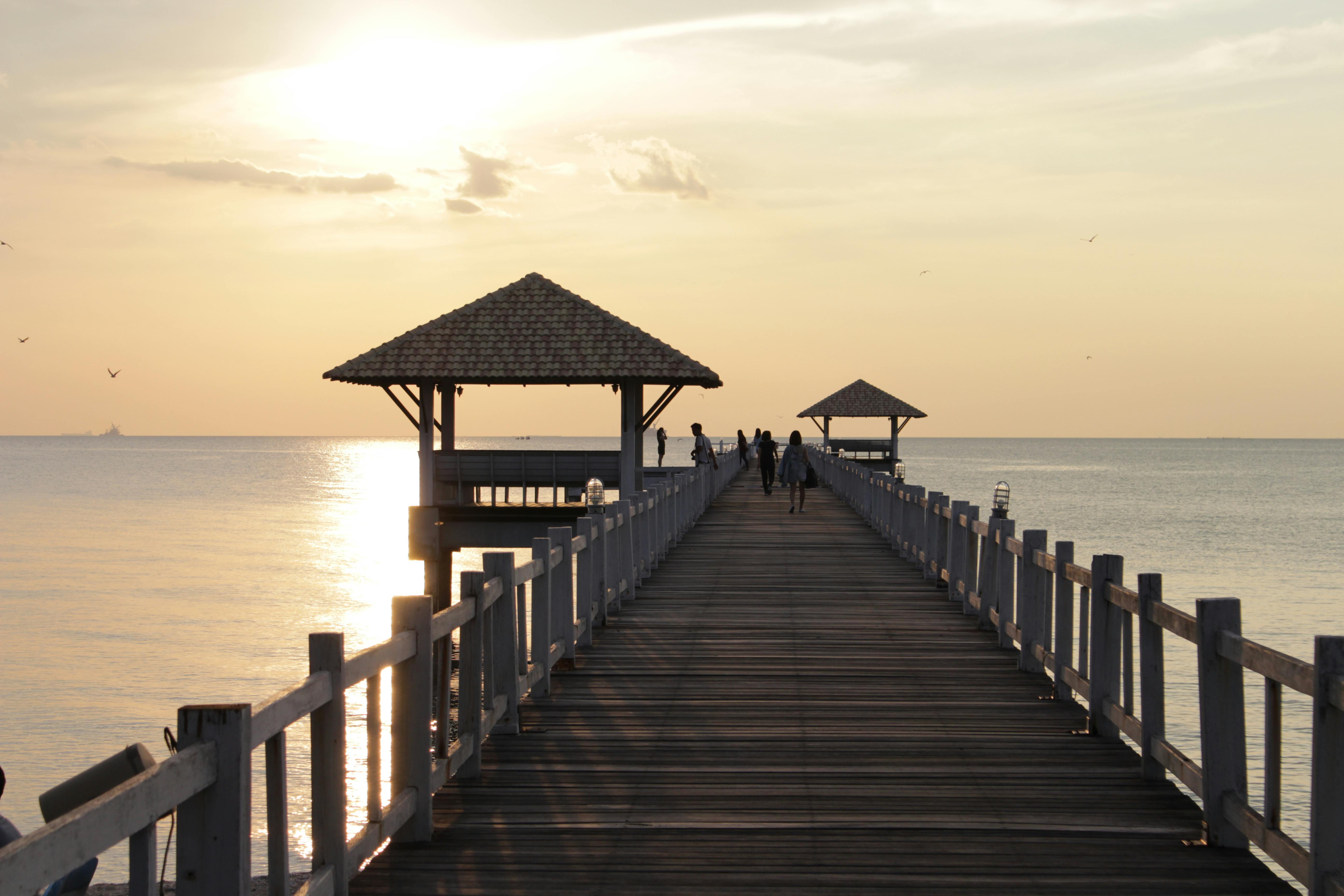
Third Coast Marine Construction builds boardwalks that create reliable pathways across waterfront terrain where shoreline conditions make direct access difficult or unsafe. You need this service when property layout, tidal fluctuations, or marshy ground prevent consistent access to docks, piers, or waterfront recreation areas. The construction process accounts for soil stability, water movement patterns, and long-term exposure to saltwater and humidity common along the Texas Gulf Coast.
Boardwalk construction addresses the challenge of providing stable mobility where terrain shifts with tides, seasonal flooding, or soft substrate. The structure elevates walkways above problematic ground conditions, allowing safe passage regardless of water levels or ground saturation. Material selection focuses on resisting rot, warping, and corrosion in marine environments, with fasteners and support systems engineered to handle constant moisture exposure and temperature swings.
Schedule a site evaluation to review terrain challenges and determine the most effective boardwalk configuration for your property.
How Boardwalk Design Adapts to Shoreline Variables
Construction begins with assessment of existing shoreline conditions, including grade changes, soil bearing capacity, and typical water level fluctuations. The boardwalk layout is planned to minimize environmental disruption while providing the necessary width, length, and load capacity for intended use. Foundation systems are selected based on whether the structure will rest on pilings driven into stable substrate, floating supports that adjust with water levels, or hybrid systems that combine both approaches depending on span requirements and wave exposure.
Once completed, you notice a stable walking surface that remains accessible during wet conditions, high water events, and seasonal ground changes that previously made shoreline access unreliable. The elevated pathway stays clear of debris accumulation and provides consistent footing without the maintenance burden of constantly repairing eroded or waterlogged ground-level paths. Handrails and surface treatments reduce slip hazards, and the structure's elevation keeps users above insects and ground-level moisture common in coastal vegetation zones.
Boardwalk projects often integrate with existing dock systems, boat access points, or observation areas, requiring coordination of elevation transitions and load distribution across connected structures. Proper construction includes allowances for thermal expansion, which becomes significant in full-sun coastal installations where decking materials experience daily temperature cycles exceeding fifty degrees.
Questions About Waterfront Boardwalk Projects
Property owners along the Texas Gulf Coast frequently ask about boardwalk design and construction before committing to waterfront access improvements.
What determines boardwalk width and length?
The design depends on intended traffic volume, whether the boardwalk will accommodate maintenance vehicles or equipment, and the distance needed to span unstable terrain or reach water access points, with residential projects typically ranging from four to six feet wide.
How does construction handle soft or saturated ground?
Pilings are driven to stable substrate below soft surface layers, with depth determined by soil borings that identify load-bearing strata, which in Houston area bayous and coastal properties often requires penetration of eight to twelve feet through organic muck and clay.
When should boardwalk construction be scheduled?
Projects proceed more efficiently during lower water periods when shoreline access is easier and ground conditions are firmer, though construction methods adapt to site conditions year-round depending on project urgency and property access.
What materials resist saltwater and humidity exposure?
Marine-grade lumber treated for ground contact, composite decking engineered for moisture resistance, and galvanized or stainless steel fasteners are selected based on expected lifespan and maintenance preferences, with each material offering different trade-offs between initial cost and long-term durability.
Why do some boardwalks include lighting or observation platforms?
These features expand usability for evening access, wildlife observation, or property enjoyment beyond basic transit function, with electrical installations requiring waterproof conduit and fixtures rated for constant humidity exposure typical of Gulf Coast waterfront locations.
Third Coast Marine Construction plans boardwalk projects around site-specific conditions, usage requirements, and integration with existing waterfront structures. Discuss your property layout and access challenges to develop a boardwalk solution that addresses terrain limitations while supporting your intended waterfront activities.