Structures That Withstand Wave Action and Storms
Seawall Construction in Houston for properties requiring protection against wave-driven erosion and storm surge
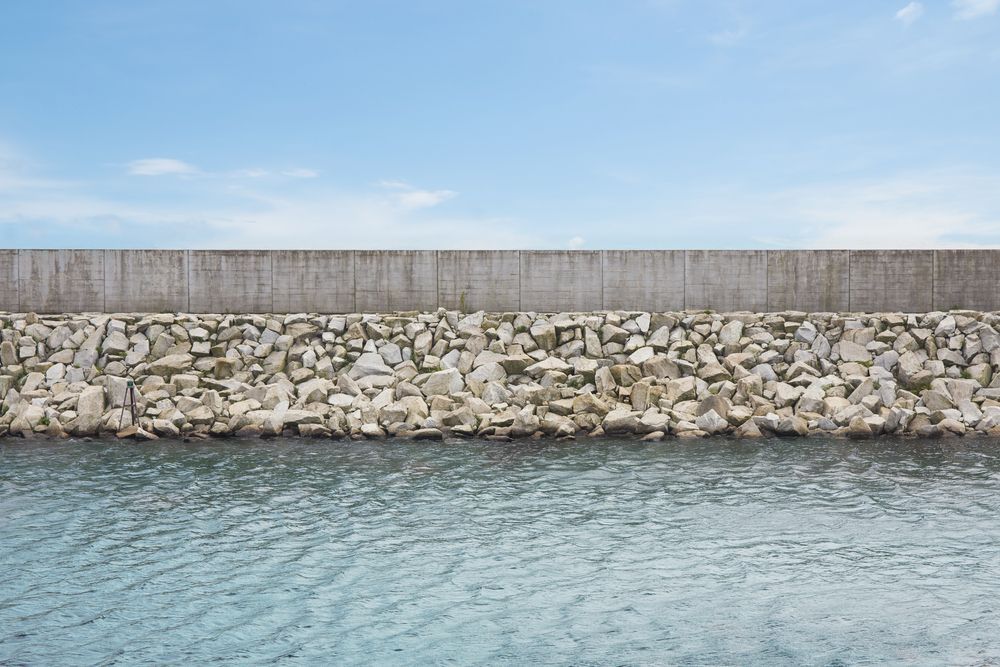
Waterfront properties exposed to open water, consistent wave action, or storm surge need seawalls rather than standard bulkheads because the forces acting on the shoreline exceed what lighter stabilization systems can handle. Seawalls are built heavier, anchored deeper, and designed to absorb and deflect wave energy rather than simply holding soil in place. Third Coast Marine Construction builds seawalls for residential, commercial, and marina properties in Houston where shoreline defense must account for storm impacts, boat traffic, and the long-term effects of water constantly striking the property edge.
Construction methods vary based on site conditions but typically involve reinforced concrete, driven steel sheet piling, or other heavy-duty materials capable of resisting both hydrostatic pressure and the dynamic forces from wave strike. The structure extends below the waterline and into stable soil layers, with anchoring systems designed to prevent the wall from tilting or settling even when water levels rise or soil conditions shift during flood events.
Request a seawall consultation to evaluate your property's exposure level and determine which construction method matches your shoreline conditions.
What Changes After Seawall Installation
Seawall projects begin with analyzing wave patterns, soil composition, and how much force the structure needs to withstand based on your property's location and exposure. Material selection depends on whether the site faces brackish bay water or full saltwater exposure, how deep the wall must extend to reach load-bearing soil, and what anchoring strategy will keep the structure stable under maximum anticipated loading. Installation involves excavation, pile driving or material placement, backfilling, and ensuring drainage systems prevent water pressure from building up behind the wall.
After construction, the shoreline remains intact during storms that would otherwise wash away unprotected land. You'll see a defined property boundary that doesn't erode, usable land area preserved rather than gradually lost to wave action, and reduced concern about whether the next tropical system will take additional soil or undermine nearby structures. The seawall deflects wave energy rather than absorbing it into the shoreline, which is why properly constructed walls show minimal damage even after significant weather events.
Seawall design also includes decisions about height above normal water levels, whether a cap or walkway will be integrated, and how adjacent structures like docks or piers will connect. These choices affect both the wall's protective capacity and how the property functions for water access and recreational use.
Common Questions About This Service
Seawall construction involves engineering decisions based on environmental forces and long-term performance requirements. Property owners typically ask these questions when evaluating whether and how to protect their shoreline.
What's the difference between a seawall and a bulkhead?
Seawalls are built to resist active wave forces and storm surge, using heavier materials and deeper anchoring, while bulkheads primarily hold soil in place in calmer water environments with less wave energy.
How do seawalls handle storm surge without failing?
Proper design accounts for maximum anticipated water levels and wave heights, with anchoring systems that prevent overturning and drainage features that relieve pressure as water levels drop.
What happens if water gets behind a seawall?
Without adequate drainage, hydrostatic pressure builds up and can push the wall forward or cause soil to wash out through gaps, which is why weep holes, drainage layers, or relief systems are integrated during construction.
When does a seawall need replacement rather than repair?
Significant cracking, tilting beyond a few degrees, or erosion that has undermined the foundation indicate structural compromise that repair won't fully resolve.
How do Houston's hurricane risks affect seawall design?
Structures must account for storm surge heights documented in past events, with additional freeboard and anchoring capacity to handle forces that exceed normal daily wave action by orders of magnitude.
Third Coast Marine Construction evaluates exposure conditions and designs seawalls that provide the level of protection your waterfront property requires based on its specific location and vulnerability. Contact us to review your site and discuss construction options tailored to the wave action and storm risks you face.