Shoreline Barriers That Actually Hold
Bulkhead Repair and Replacement in Houston for Failing Structures Losing Soil Behind Walls
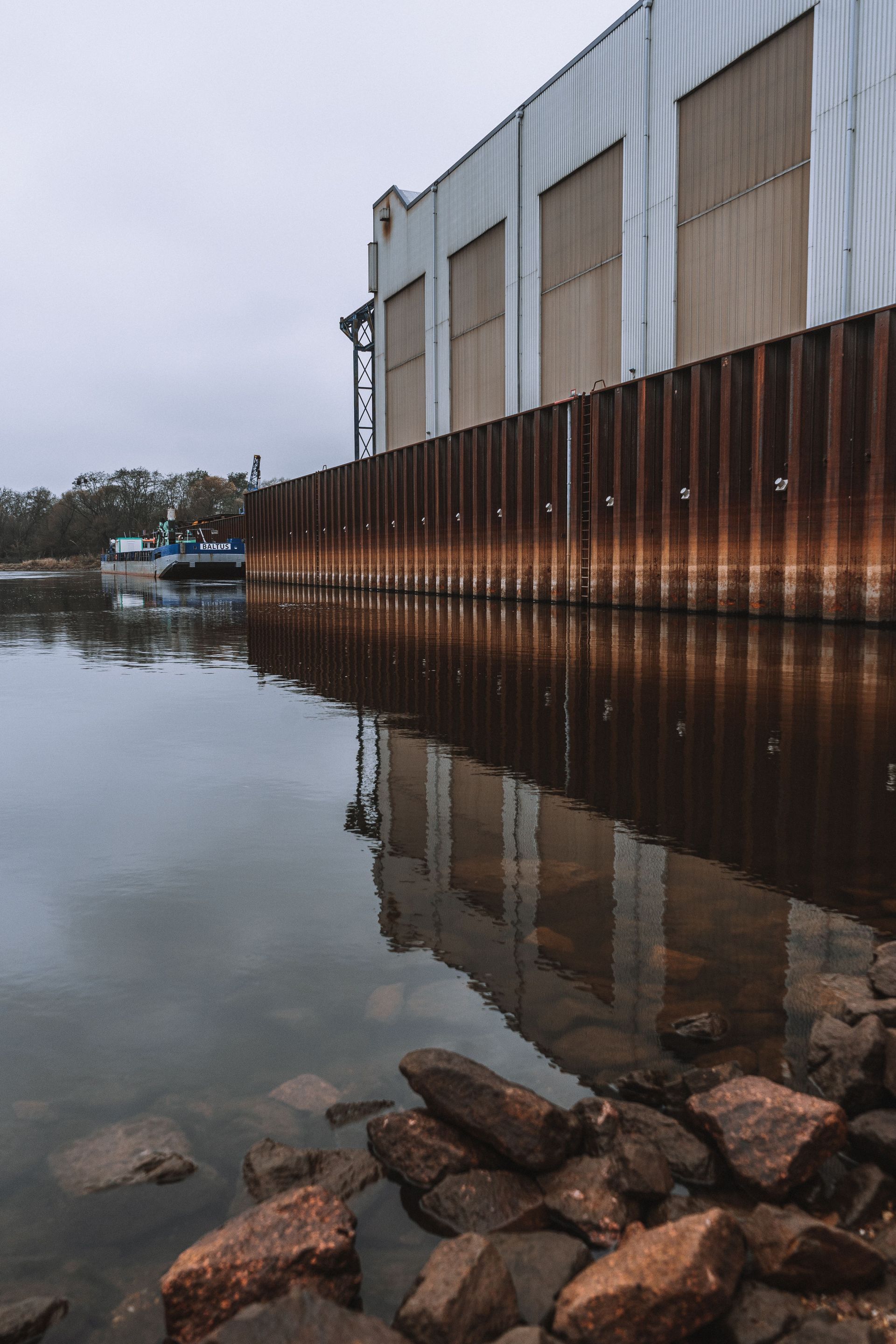
Bulkhead failure shows up as visible tilting away from retained soil, horizontal cracks in concrete panels, or voids forming behind the wall where soil has washed through gaps and deteriorated joints. Third Coast Marine Construction addresses these structural failures through repair methods that stabilize compromised sections or complete replacement when damage extends beyond what reinforcement can restore. You need this service when your existing bulkhead no longer prevents soil loss, when wall sections lean noticeably from vertical, or when property features like driveways and landscaping near the waterfront begin settling due to soil migration behind a failing barrier.
Bulkhead deterioration results from corrosion of steel components, concrete degradation from saltwater exposure, or structural overload when hydrostatic pressure builds behind walls without adequate drainage. Repair and replacement evaluations examine wall anchoring systems, identify where tie-backs have failed, and determine whether panel integrity remains sufficient to warrant repair or whether soil loss and structural movement require full reconstruction. The assessment process includes probing behind the wall to measure void spaces and checking whether adjacent sections show early signs of similar failure patterns.
Schedule a bulkhead inspection to identify damage extent and determine whether repair or replacement provides the most cost-effective long-term solution.
What Bulkhead Service Actually Accomplishes
Repair work addresses localized failures by reinforcing tie-back systems, filling voids with controlled grout injection, and stabilizing panels before additional soil escapes. Replacement projects remove compromised sections and install new bulkhead materials engineered for marine exposure, with updated anchoring systems and drainage provisions that address the conditions that caused original failure. Material selection considers whether the location experiences saltwater exposure, which accelerates corrosion of untreated steel, or freshwater conditions where different deterioration patterns occur.
Once work is finished, your bulkhead holds vertical alignment without continued lean or movement. Soil remains in place behind the wall rather than washing into the water through gaps and failed joints. The ground surface near the bulkhead stops settling, preventing damage to nearby hardscaping, utilities, and structures that depend on stable soil elevation. Water drains through proper relief systems rather than building pressure that pushes against the wall face, eliminating a primary cause of structural failure in Houston area bulkheads where clay soils retain water and create significant hydrostatic loads.
Replacement projects often incorporate improvements over original construction, including corrosion-resistant materials, increased anchoring capacity, and engineered drainage systems that were frequently omitted in older installations. These upgrades extend service life and reduce the likelihood of repeating the same failure pattern that necessitated replacement.
Frequent Bulkhead Service Questions
Property owners facing bulkhead problems typically ask about assessment processes and what service involves before authorizing work.
What indicates a bulkhead needs attention?
Visible tilting, cracks wider than hairline size, soil washing onto docks or into water, voids or depressions forming behind the wall, or rusting visible on steel components all signal deterioration requiring professional evaluation before failure becomes severe.
How do you determine repair versus replacement?
The decision depends on whether structural integrity remains adequate after addressing specific failures, how much soil has been lost, and whether anchoring systems can be rehabilitated or need complete reconstruction, with replacement typically necessary when more than thirty percent of wall sections show significant damage.
When should bulkhead work be scheduled?
Projects proceed more efficiently during lower water periods when wall bases are accessible and dewatering requirements are reduced, though emergency repairs address active failures regardless of seasonal timing to prevent continued soil loss.
What materials last longest in marine environments?
Vinyl sheet piling resists corrosion better than untreated steel, concrete panels provide mass and durability but require proper reinforcement, and composite materials offer corrosion resistance with reduced weight, with selection based on site conditions and expected service life requirements.
Why do some bulkheads fail prematurely?
Inadequate drainage causing hydrostatic pressure buildup, insufficient anchoring for the retained soil height, or material degradation from saltwater exposure in Corpus Christi bay locations all contribute to shortened service life compared to properly engineered installations.
Third Coast Marine Construction evaluates existing bulkhead conditions, documents damage patterns, and develops repair or replacement plans that address both visible failures and underlying causes. Contact our team to arrange an inspection that identifies what your bulkhead needs to restore shoreline protection and prevent continued property loss.