Shoreline Stabilization That Stops Land Loss
Bulkhead Installation in Houston for waterfront properties experiencing erosion and shoreline deterioration
Soil slumping into the water, visible land loss after storms, and shoreline edges that collapse under foot signal the need for bulkhead installation. Third Coast Marine Construction installs custom bulkheads designed to hold the shoreline in place, prevent further erosion, and protect usable property from being lost to wave action and water movement. Properties along lakes, canals, rivers, and bays in Houston face constant pressure from fluctuating water levels and boat wakes that gradually undermine unprotected shorelines, making stabilization necessary before the damage extends to landscaping, utilities, or structures.
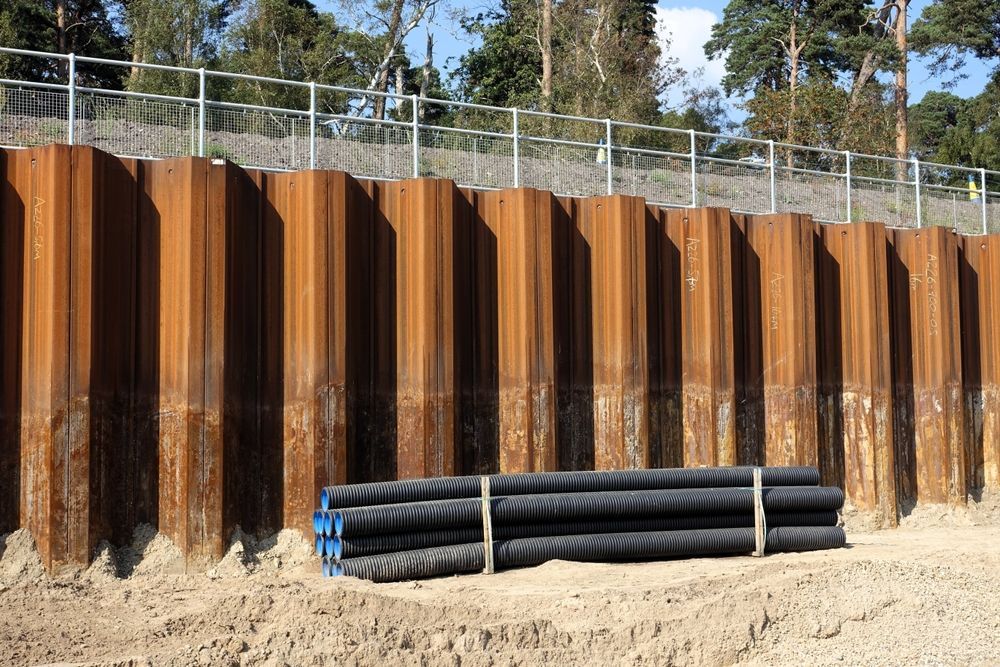
Bulkheads function as retaining walls built at the water's edge, anchored into stable soil and designed to withstand hydrostatic pressure, wave force, and the shifting conditions common in Texas waterways. Installation involves driving sheets or panels vertically into the ground, securing them with tie-backs or deadman anchors, and ensuring the structure extends deep enough to prevent undermining as water erodes soil beneath the visible surface.
Schedule a shoreline evaluation to measure current erosion patterns and determine bulkhead specifications for your property.
How Bulkheads Address Shoreline Erosion
Installation starts with assessing your shoreline's soil type, the rate of erosion, and how much land needs protection. Bulkhead materials are selected based on whether the site experiences freshwater or saltwater exposure, how aggressive the wave action is, and what depth is required to reach stable soil layers. The structure is positioned to maximize protection while maintaining the property's usable area and water access.
Once installed, the shoreline holds its position instead of slumping or washing away after heavy rain or storm surge. You'll see a defined property edge that doesn't erode season after season, landscaping that stays in place rather than sliding into the water, and a stable base for docks or other waterfront structures. The bulkhead creates a clear boundary that stops sediment loss and preserves the land you've already invested in.
Bulkhead projects also require decisions about cap design, drainage management behind the wall, and whether additional backfill is needed to restore lost elevation. These factors influence both the structure's appearance and its long-term effectiveness at preventing water from seeping behind the wall and causing future settling.
Answers to Frequent Service Questions
Bulkhead installation involves specific considerations based on shoreline conditions and the level of protection your property requires. These answers address what property owners typically want to know before moving forward.
What causes bulkheads to fail prematurely?
Inadequate anchoring, improper material selection, and insufficient depth allow water to erode soil behind or beneath the structure, leading to tilting, cracking, or complete failure within a few years instead of decades.
How do bulkheads perform differently in canal versus bay environments?
Canal bulkheads face constant boat wakes and confined water movement, requiring stronger tie-back systems, while bay bulkheads must handle larger wave action and greater hydrostatic pressure during storm events.
What maintenance does a bulkhead require after installation?
Regular inspections for cracks, checking tie-back integrity, and monitoring for soil loss behind the wall help catch small issues before they become structural problems.
When should I replace an existing bulkhead rather than repair it?
If the structure leans significantly, shows extensive cracking, or no longer prevents erosion, replacement provides a longer-term solution than patching a compromised system.
How does Houston's clay soil affect bulkhead design?
Clay soils expand and contract with moisture changes, requiring bulkheads with flexible anchoring systems and adequate drainage to prevent pressure buildup that can push the wall outward over time.
Third Coast Marine Construction evaluates shoreline conditions throughout Houston and designs bulkhead systems that match the erosion patterns and soil characteristics specific to your property. Arrange a site visit to review your shoreline and discuss which bulkhead approach will provide the stabilization you need.