Waterfront Land That Stays in Place
Erosion Control & Retaining Walls in Houston for properties experiencing shoreline loss and unstable slopes
Third Coast Marine Construction provides erosion control and retaining wall solutions designed to stabilize slopes, shorelines, and vulnerable waterfront areas across Houston. Soil movement threatens property boundaries, undermines structures, and accelerates land loss in coastal environments where wave action, tidal fluctuation, and stormwater runoff combine to displace sediment. Solutions address both the mechanical failure causing erosion and the drainage patterns that contribute to ongoing instability.
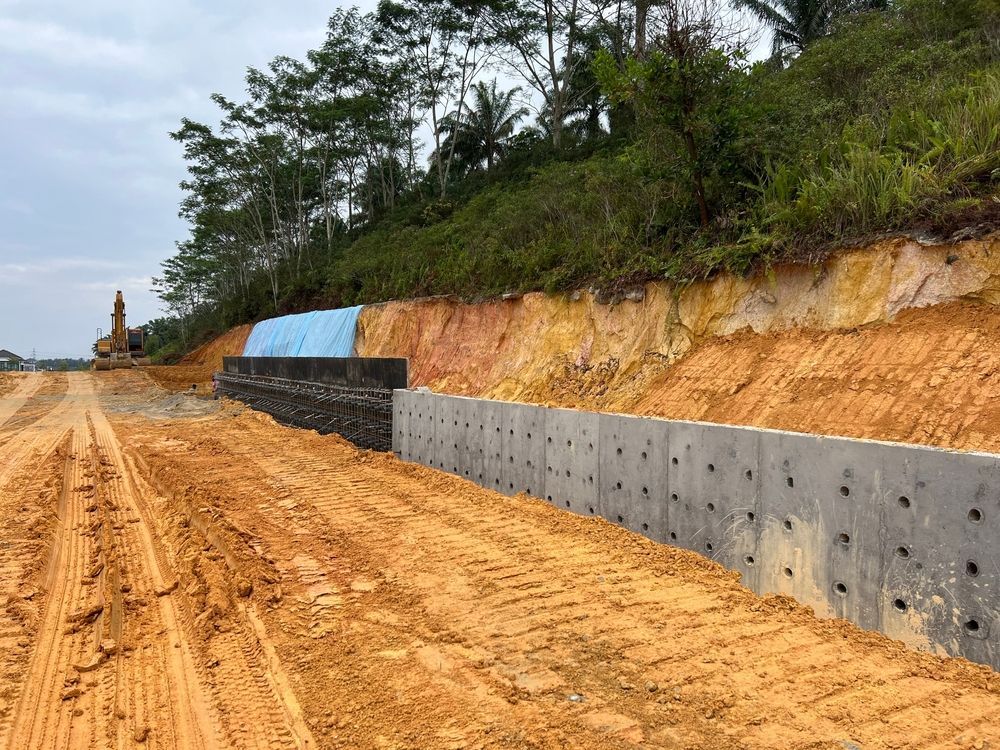
The service involves customized systems based on terrain characteristics, drainage behavior, shoreline conditions, and the specific forces acting on your property. Retaining walls resist lateral soil pressure while erosion control measures manage water flow and stabilize exposed surfaces to reduce material displacement. Installations account for tidal range, soil composition, and the vegetation or armoring needed to maintain long-term slope integrity.
Request a site evaluation to identify the forces driving erosion on your waterfront property and determine which stabilization approach addresses those conditions.
What Proper Erosion Control Requires
Effective stabilization begins with understanding what moves soil on your site—whether wave action undercuts the slope toe, runoff carves channels through exposed surfaces, or subsurface water weakens the soil matrix. Solutions must address the specific mechanism causing displacement, not just cover visible damage. Retaining walls engineered for waterfront conditions account for hydrostatic pressure, foundation depth below the scour zone, and the need for drainage relief to prevent buildup behind the structure.
After installation, you'll see defined property boundaries that remain stable during storm events, slopes that no longer slump or wash away, and shorelines that resist the undercutting that previously exposed roots and destabilized adjacent structures. Water drains through controlled paths rather than carving erosion channels, and vegetation or armoring materials stay in place rather than washing into the waterway. The land maintains its footprint even under tidal fluctuation and seasonal weather patterns.
Third Coast Marine Construction customizes each system to match the forces acting on your site, selecting materials and configurations that withstand the combination of soil type, water exposure, and slope angle unique to your property. Retaining walls may incorporate drainage features, tieback anchors, or stepped configurations depending on height and load requirements, while erosion control measures range from vegetation-based solutions to hard armoring depending on wave energy and exposure.
Questions Before Starting Your Project
Property owners typically want to know how stabilization systems perform under the specific conditions affecting their waterfront land and what determines the right approach for their situation.
What causes erosion to accelerate on waterfront properties?
Soil displacement increases when wave action undercuts slopes, stormwater concentrates into uncontrolled flow paths, or vegetation loss exposes bare soil to direct water impact. Tidal properties face additional forces from repeated wetting and drying cycles that weaken soil structure over time.
How are retaining wall systems designed for coastal conditions?
Walls must extend below the scour depth where wave action or current removes material, include drainage to relieve hydrostatic pressure from groundwater and tidal fluctuation, and use materials resistant to saltwater exposure and biological growth. Foundation stability depends on reaching competent bearing soil and accounting for soil strength variation in saturated conditions.
What determines whether vegetation or hard armoring is appropriate?
Wave energy and slope angle dictate the solution—low-energy shorelines with gradual slopes can support vegetated stabilization using native plants with deep root systems, while high-energy areas with steep banks require rock riprap, geogrid reinforcement, or constructed retaining walls that physically resist displacement forces.
When should erosion control be addressed on waterfront property?
Stabilization becomes necessary when you observe ongoing land loss, exposure of tree roots or structure foundations, formation of erosion channels during rain events, or slumping along slope faces. Addressing movement early prevents the larger failures that occur once toe support is lost or drainage patterns become entrenched.
What maintenance do erosion control systems require after installation?
Vegetated systems need periodic replanting in areas where plant establishment struggles and removal of invasive species that displace stabilizing vegetation. Hard armoring requires inspection after major storm events to verify that materials remain in place and that drainage features continue functioning without sediment blockage.
Third Coast Marine Construction evaluates the specific erosion mechanisms affecting your Houston waterfront property and designs systems that address those forces directly. Schedule a site assessment to determine which stabilization approach provides long-term land preservation for your shoreline conditions.