Vessel Protection That Minimizes Hull Wear
Boat Lift Installation in Houston for waterfront properties reducing prolonged water exposure and simplifying boat access
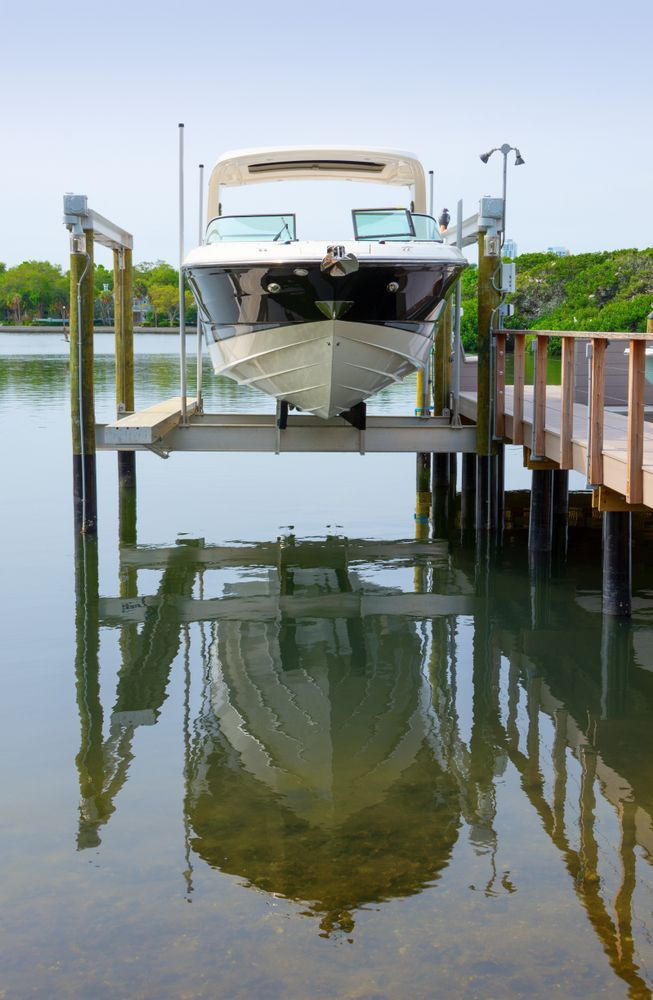
Blistering gelcoat, algae growth on hulls, and the constant need for bottom cleaning indicate that keeping your boat in the water full-time causes more damage than occasional launching and retrieval. Boat lift installation addresses this by raising the vessel out of the water when not in use, reducing the hull wear caused by continuous immersion and the marine growth that forms within days in warm Texas waterways. Third Coast Marine Construction installs lift systems tailored to boat size, weight, and waterfront configuration, serving properties along Houston's canals, lakes, and bayfront locations where vessel protection and convenient access matter more than leaving boats tied to a dock.
Lift systems range from four-post cradle lifts to overhead hoists, with selection based on your vessel's weight and beam, water depth at your dock, and whether the lift will stand alone or integrate with a boat house or covered structure. Installation involves setting pilings or supports, mounting the lifting mechanism, configuring the cradle or bunks to distribute weight properly, and ensuring the system operates smoothly under load.
Request a lift system consultation to determine which configuration matches your vessel specifications and dock layout.
What You Notice Once the Lift Is Installed
Your property evaluation includes measuring water depth, reviewing your boat's weight and hull shape, and determining what lift capacity and style will work within your existing dock structure or whether additional support is required. The lift must account for fluctuating water levels, provide adequate clearance above normal high water, and position the vessel so weight distributes evenly without stressing the hull. Installation involves anchoring the system securely, adjusting bunk height and spacing, and testing operation under load to confirm smooth lifting and lowering.
After the lift is operational, your boat stays clean between outings, with minimal bottom growth and no waterline staining. You'll notice the hull stays in better condition, requiring less frequent detailing and bottom paint maintenance, and launching becomes a matter of lowering the lift rather than trailering or dealing with a boat that's been sitting in the water accumulating algae and barnacles. The lift also protects the lower unit and through-hull fittings from sitting submerged, reducing corrosion on metal components and extending the time between services.
Lift installation also includes electrical setup for motorized systems, decisions about remote controls versus manual operation, and whether the lift needs to accommodate future vessel upgrades or different boat sizes. These choices affect both convenience and whether the system remains useful if your watercraft changes.
What Property Owners Usually Ask
Lift system installation involves matching equipment to vessel requirements and site conditions. Property owners typically want to understand how the systems perform and what's involved in daily use.
What lift capacity do I need for my boat?
Lift capacity should exceed your boat's dry weight plus fuel, gear, and water by at least 20 percent to ensure safe operation without overloading the system or stressing structural components.
How do fluctuating water levels in Houston canals and lakes affect lift operation?
Systems must provide enough vertical travel to keep the boat clear of the water during high levels while still reaching low water for launching, often requiring extra lift height compared to stable waterways.
What maintenance does a boat lift require?
Regular inspection of cables, pulleys, and motor components, along with lubrication of moving parts and checking for corrosion on metal hardware, keeps the system operating safely and extends its lifespan.
Can a lift be added to an existing dock?
If the dock structure can support the additional weight and lateral forces from lifting a loaded boat, a lift can often be integrated, though undersized or aging docks may need reinforcement first.
How long does it take to lift or lower a boat?
Motorized lifts typically raise or lower a vessel in two to five minutes depending on lift height and system speed, making launching and retrieval faster than trailering or manual hauling.
Third Coast Marine Construction installs boat lift systems across Houston's waterfront communities, matching equipment to your vessel and dock configuration. Arrange a property visit to review your current setup, discuss your boat's specifications, and determine which lift solution provides the protection and convenience you're looking for.